
The Muppet Musicians of Bremen1972-04-26
Four mistreated farm animals seek refuge as a band of traveling musicians in this musical tale
FILM JOURNAL REFERENCE / 52607
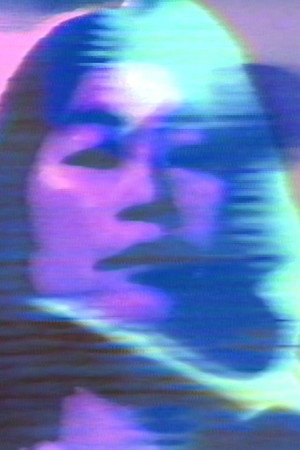
Self-Portrait
Access to video technology had largely been limited to corporate-run TV studios until the Sony Portapak, a battery-powered video tape recorder that could be carried by one person, was popularized in the early 1970s. This device also allowed artists to see what they were recording in real time and to immediately play it back, prompting investigations of technology’s increasingly fluid relationship to the body, language, and time itself. Shigeko Kubota’s ”Self-Portrait” embodied the boundless potential of the new medium and the freedom from precedent it represented. This work, in which Kubota interacts with her own image, contains some of her earliest known experimentation with video. Here, she used new tools to manipulate the electronic signal, creating previously unimaginable colors and patterns, and unraveling established conventions of image-making right before our eyes. [Overview courtesy of Erica Papernik-Shimizu via MoMA]
公开资料来源:公开影片资料
把这部电影记入观影日记Four mistreated farm animals seek refuge as a band of traveling musicians in this musical tale

Pink Floyd在庞贝古城的Live DVD ISO 1971年10月, 当时还正年轻的平克们在庞贝古城已经有两千多年历史的古罗马圆形剧场上,进行了一次没有现场观众的演出。 这次演出被制

Anthropologist Dr Brockton unearths a primitive troglodyte — an Ice Age 'missing link': half-ca

Developed from Anne Grant's book, Our North American Foremothers, this film recreates historica

After years in prison, a gang of criminals are deported from Bavaria and arrive as free immigra

Portrait of Ingmar Bergman, made while he was working on The Touch, about his professional and

Hamlet returns home from drama school in United States, after the cold-blooded assassination of
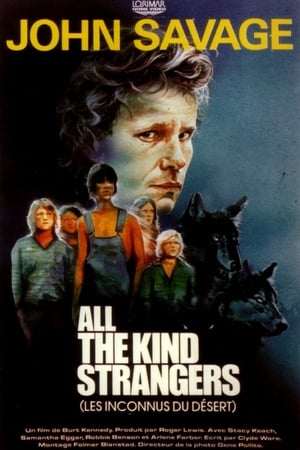
An LA photographer, driving through backwoods country, spots a young boy walking on the side of